

Happy new year! It’s that time of the year again when we look back at the year and tell ourselves just how much we love Ecommerce Logistics. Here’s the 9 biggest things at a global level, starting the countdown at…
9. InPost’s £106M Acquisition of Yodel Blocked

In what reads like a YouTube shorts summary of a Billions episode, InPost, the most important out-of-home company in the world, had its acquisition of key UK parcel carrier Yodel blocked by court injunction after Shift and it’s CEO Jacob Corlett claimed that they had warrants to acquire 66% of Yodel which he had acquired through deals when he was actively trying to turn Yodel around. The implication was that he was being screwed out of the deal! The ruling was eventually overturned and the acquisition completed.
8. UK Post Office Scandal
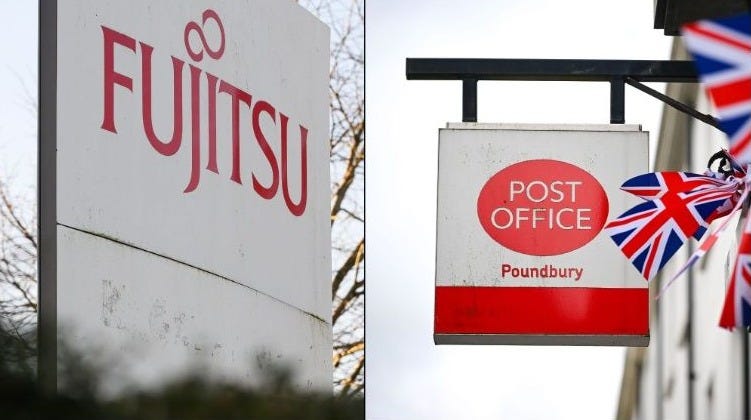
The UK Post Office was rocked by a scandal this year when a TV exposé brought to light that 13 postal office workers had committed suicide after being wrongfully accused of theft by the UK Post Office Ltd. Almost 1,000 employees that were wrongfully accused of theft due to a computer glitch from the Fujitsu software that the Post Office used for accounting. When shortfalls in funds emerged due to the bug, the Post Office persecuted workers, sending some to prison, bankrupting others, and destroying the lives of many. I considered not covering this one because of pressure from platforms and news outlets to suppress this kind of sad and somber news, but it felt wrong not to use my voice to bring awareness to shameful mark on our industry and help us learn and move forward.
7. Middle East Competition Heats Up
Somethings up in the Middle East. Maybe it’s Saudi’s Vision 2030 plan or UAE’s new airport. Or maybe it’s ambitious city concepts like Neom, The Loop, or Lusail City, but Ecommerce Logistics had some pretty big deals in the GCC this year including:
DHL acquires AJEX
Private Equity firm PDQ acquires Aramex
Emirates launched Emirates Courier Express
Emirates Post Group restructures and rebrands to 7X
JD launches JoyExpress
DP World positions itself a startup
6. Recession Cancelled: Cyber Week and Singles Day Destroys Bears
The recession is cancelled and perma-bears got destroyed as the US recorded its biggest Cyber Week ever with $336.6 billion week and marketing an astounding 7% increase from previous year. Similarly, China’s Single’s Day recorded $238 billion in a single day, representing an 18% increase from the year before. Recession? What recession? Ship more parcels.
5. ReturnGo and Inmar Returns acquired, Blue Yonder hooks up with FedEx
Consolidation was on full display this year as DHL Supply Chain acquired Inmar Returns and FedEx partners with Blue Yonder (which had acquired Doddle previously). On the software side ReturnGo was acquired by Global-E. With virtually all major Returns ecosystems players having been acquired, only Loop remains as major standalone returns play.
4. David Steiner succeeds Louis DeJoy at Postmaster General of USPS

The former CEO of Waste Management and FedEx Board Member David Steiner, officially succeeds the former CEO of XPO Logistics as the 76th Postmaster General of the USPS. With USPS being the #1 parcel delivery company in the world outside of China, and with USPS suffering from unsustainable losses due a number of issues including its pension obligation, and cost of fulfilling its Universal Service Obligation (USO) to deliver physical letter mail, all eyes are on what changes Steiner will make. Steiner has already made a huge splash by planning to reinstate the DDP program which formerly allowed companies to inject parcels downstream into the USPS system (aka zone skip). Pitney Bowes GEC is rolling in its grave.
3. Quick Commerce Wars Erupt in China

Chinese Quick Commerce player Ding Dong Mai Cai hitting profitability in China has triggered an all-out war between Chinese ecommerce giants Mei Tuan (food delivery leader), Alibaba and JD (ecommerce rivals) resulting in $11B USD in customer subsidies used to win market share.
There is a profound change in the Quick Commerce ecommerce logistics model ranging from using asset light gig workers in many cases, utilizing in-store fulfillment, setting up dark stores, and moving from a point-to-point model. Doe this signal a market shake up away from the traditional parcel delivery companies?
We’re already seeing early signs that this war is starting to spread in other parts of the world, with the biggest stakes being the US market where the key players might end up being Amazon, Walmart, Doodash, Uber Eats, Instacart, and maybe rising star gig delivery companies like Gofo or ShipX. Kroger’s has decided to close three automated fulfillment centers and cancel plans for more such centers in order to shift its focus to in-store fulfillment.
2. Liberation Day Tariffs

Nobody from this generation will forget the day that Donald Trump announced his Liberation Day tariffs, while displaying a signboard misrepresenting trade deficits as tariffs, and thereby and announcing penalty tariffs on trade partners. What began as headline news around the world turned into a game of politician’s roulette as negotiations began and tariffs could either be raised to 145% for a specific country on one day or suddenly eliminated to 0% like my stock portfolio returns the next day.
During this time, US importers and brands from all around the world scrambled to move manufacturing to safe havens like Vietnam and Mexico only to find out later that similar tariffs would also be applied to those countries, likely resulting in an early onset of male pattern baldness for many supply chain leaders.
The best lesson learned here is that uncertainty is the new normal and the more uncertainty there is the market, the more Ecommerce Logisticians are valued for their advisory, experience, and network. We also learned that most commentators are wrong about tariffs.
1. US Ends $800 De Minimis, Europe Follows Suit
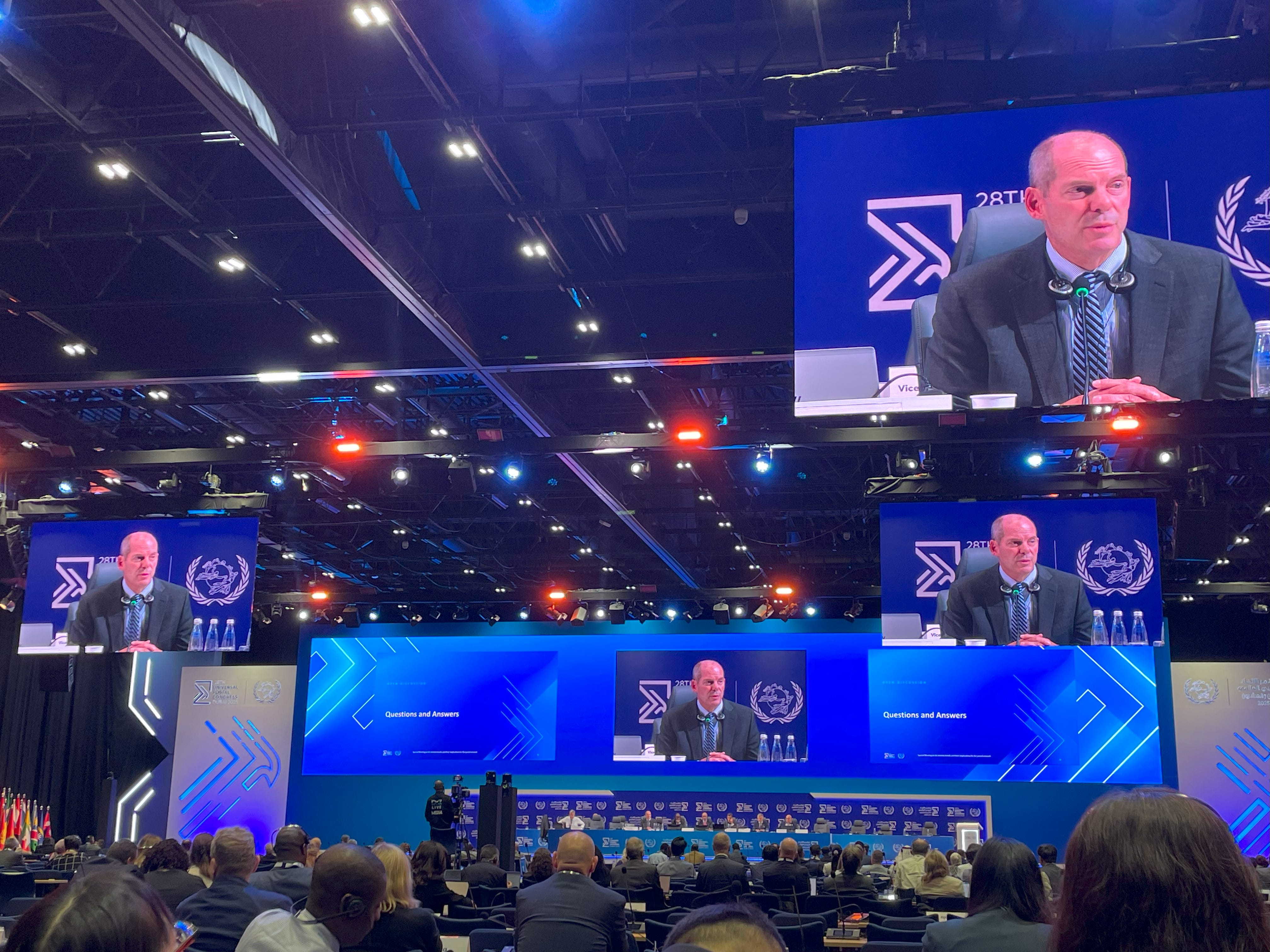
Toping our list, nothing in 2025 was bigger and more unexpected than the sudden end to US’s $800 de minimis. The image above was taken by me at the Universal Postal Union Dubai Postal Congress as a special session where the world’s postal offices dogpiled onto the US State Department over the US’s de minimis policy change.
Previously at $200 and expanded to $800 under the Obama administration, de minimis rules around the world were mostly born out of necessity to avoid customs spending dollars in administration cost to collect pennies.
However, with over 4 million de mininis shipments per day entering the US, mostly from China at in 2024, and also with Shein and Temu rising to become two of the largest global retails in the world, the political pressure to level the playing field was too great, and so with the care a honey badger eating from a beehive, the US ended its De Minimis on May 2, 2025.
The short time window meant most of the world’s global post offices were unprepared for the changes and resulted in suspended shipments into the US. The ensuring chaos backlogged shipments into the millions for some countries and created a scramble to find solutions.
Following suit, the EU agreed in Nov 2025 to similarly end it’s €150 de mininis and institute a €3 per package fee effective July 1st 2026. It’s important to note that parcels into the EU were not VAT exempt anyway so that most shippers and importer were already familiar with registration and entry into the EU.
If you’re interested in Ecommerce Logistics, this blog was written just for you!
Interesting in sponsoring this blog? Contact us for sponsorship opportunities.