

I just updated my list of the best ecommerce delivery companies in the Netherlands, but a few changes deserve a more direct explanation.
They affect the options available to merchants, the delivery standard customers see, and the economics of low-value imports.
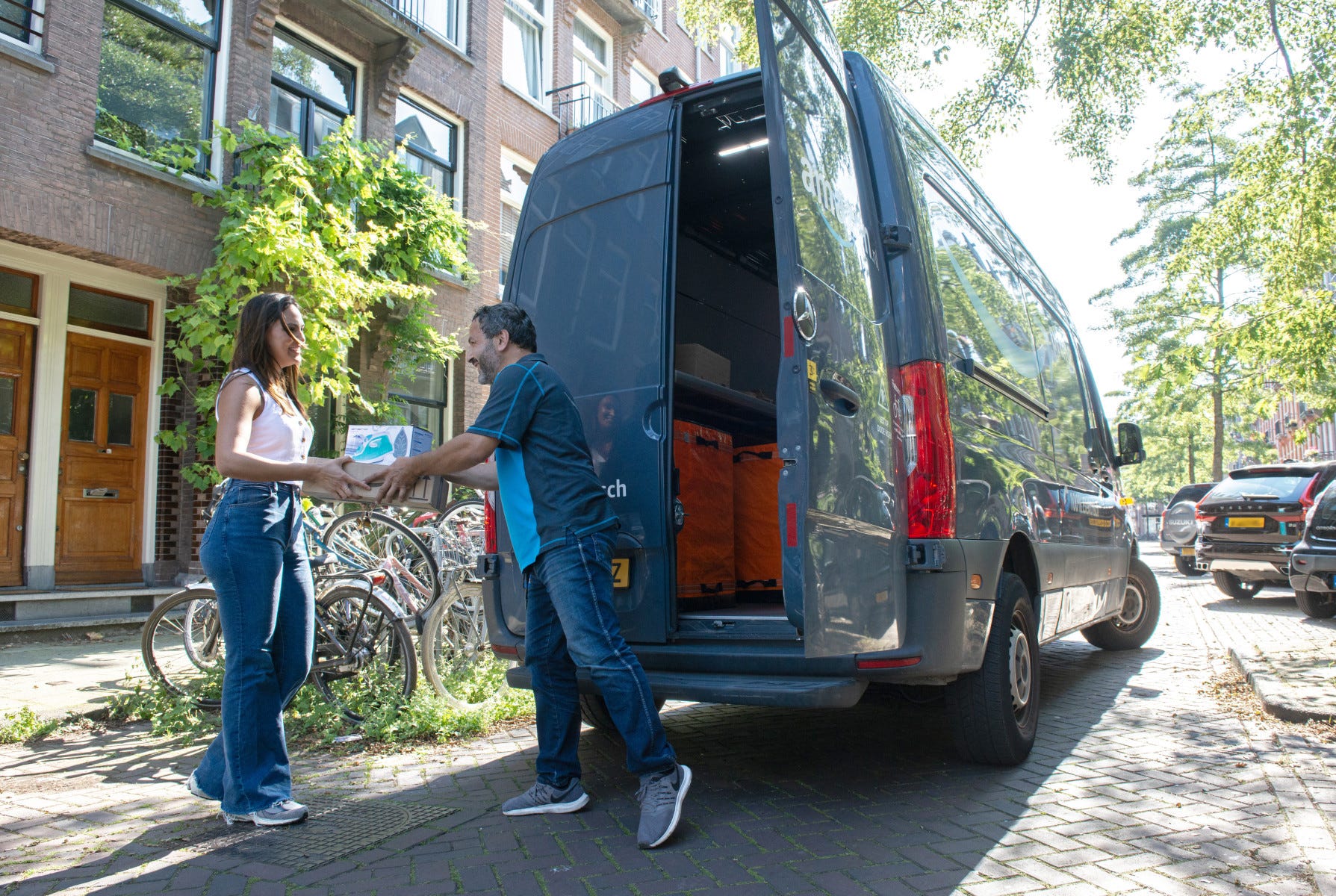
Amazon has raised the same-day benchmark — and Dragonfly is part of it
Amazon.nl launched same-day delivery in the Randstad on 24 September. Customers can order eligible products as late as 15:00 and receive them that evening. More than 25,000 products are available at that later cut-off, with a broader selection available for morning orders.
The Waddinxveen same-day fulfilment facility is operated by new carrier Dragonfly. Dragonfly hails from Canada, but has expanded to Netherlands and Australia in the past few years.
That does not mean every Dutch merchant suddenly needs to offer same-day delivery. But it does make the conversation less theoretical. With BOL being the #1 marketplace by a long shot, Amazon setting a higher speed expectation in the country’s largest urban region, potentially changes the game, and Dragonfly instantly has become a meaningful local operator.
CIRRO is becoming GOFO
One of the more practical changes is that GOFO acquired CIRRO Parcel in August 2025 and is moving the operations under the GOFO brand.
I have kept GOFO in the domestic part of the updated list and CIRRO in the cross-border part, because both names will continue to appear in the market during the transition.
Cross-border is getting more important — and less cheap to get wrong
Dutch consumers made 44.8 million cross-border online purchases in 2025, up 9% on the previous year.
With demand steadily up, the operational side has changed too. Since 1 July 2026, the EU duty exemption for direct-to-consumer ecommerce consignments worth up to €150 has gone.
A temporary €3 duty applies per product type until July 2028. From 1 November, the Netherlands will also apply a €2 handling fee per product group for ecommerce consignments from outside the EU.
For merchants shipping directly into the Netherlands, this affects landed cost, checkout promises and the handover between merchant, carrier and customs broker. The exact charge depends on what is inside the parcel, so calling it a simple €5 parcel fee is not accurate.
Parcel lockers are increasingly shared infrastructure
One other change is worth keeping in mind when comparing domestic is that PostNL’s parcel lockers are not only a PostNL proposition anymore: GLS customers can use them, and FedEx parcels can be sent and returned through more than 1,100 PostNL lockers.
This does not mean the carriers are interchangeable. It does mean that the question is increasingly not just who owns a locker network, but which carriers can use the out-of-home network your customer sees.
This particular shift began around the time of my original article, rather than after it. But it is a good example of why the list needed a proper refresh.
The updated Netherlands ecommerce delivery-company list is still a shortlist, not a substitute for testing lanes, pricing and service levels. But these are the changes behind the additions, removals and stronger emphasis on carrier fit.
Did I miss something material? Let me know.