

We have a lot of terms in ecommerce logistics. But some terms are probably best forgotten . . .

Returnless Return
What it means: A return where a refund, exchange, or replacement is provided without the requiring the original product to be sent back.
Why it’s bad: Term itself is a paradox - a self contradiction. It’s like the Orderless Order, Paymentless Payment, Claimless Claim, or the Questionless Question. I
Better Term: Conceptually the buyer intends to return a product and receive a refund in exchange, so how about "Free Refund" or "Free Exchange" which implies that the customer gets the refund anyway without having to provide the returned product?
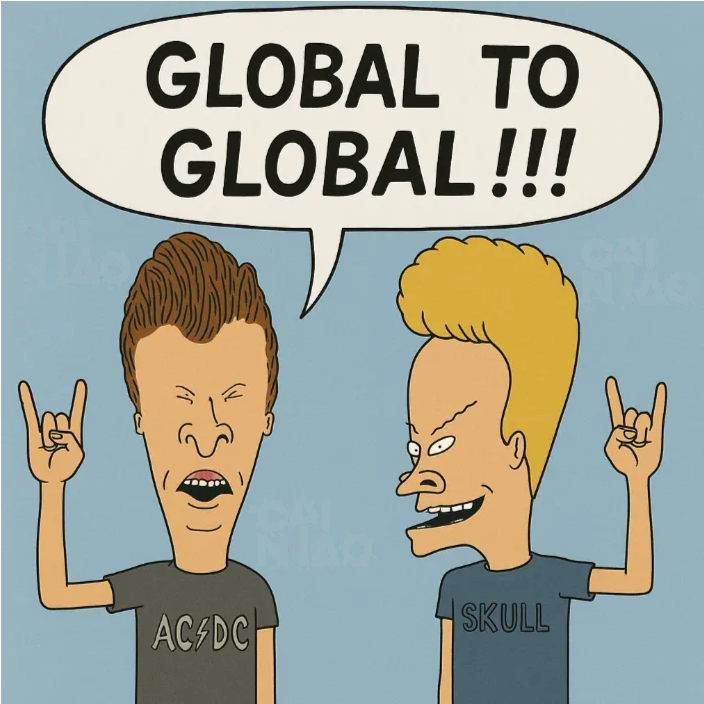
Global to Global
Context: A number of companies have used the term "Global to Global" to describe different carrier or logistics services.
Why It’s Bad: What does this even mean? Does that mean you can ship from anywhere in the world to anywhere in the world? The carrier probably can’t, and that’s why this description is both confusing and bordering absurd. Destinations are usually well covered through the postal network, but who can offer any origin in the world?
Better Term: Just stick with “Global Shipping” — it works.

Fulfilment-As-A-Service (FAAS)
What is means: Ecommerce fulfillment, but by calling it FAAS, it sounds cool because it’s like SAAS. And it makes you think that you only pay for what you use.
SAAS history lesson: In the past, especially pre-cloud, people used to buy software which came in a physical box, and on physical disks which they then installed onto their computers. The purchase was one-off and the user owned the right to use that version of software indefinitely. The internet allowed software developers to license software-as-a-service (SAAS) and users no longer owned a copy of the software.
Why it’s bad: Adding “as-a-service” to something that is already a service is redundant. Fulfilment has always been a service. This would be like calling a barber shop “Hair cut as a service” or calling an garage shop oil change “Oil change as a service” or a dental clinic “Dentistry as a service.”
Cloud Fulfillment
What is means: Fulfillment companies that have a have a web based customer portal.
Why it’s bad: Cloud is supposed to refer applications running on a true cloud infrastructure rather than locally or on-premise. Calling it cloud fulfillment makes it sounds like your goods are being virtually picked, packed, and shipped in the digital world only. And buyers of fulfillment services never had to install software anyway. Calling it cloud fulfilment is weird.
End to End
What is means: Not just a logistics term, but companies from all industries love referring to their product as end-to-end.
What it’s bad: Nobody knows FROM which end and TO which end you’re referring to. Some carriers indicate that they ship parcels “end to end” only for you to discover that your “end” should start at your warehouse, but the carrier’s starting end means you deliver it to their sorting centre in another city. That doesn’t sound like end to end to me at all. Shouldn’t they be picking the product up from your factory in China directly?